

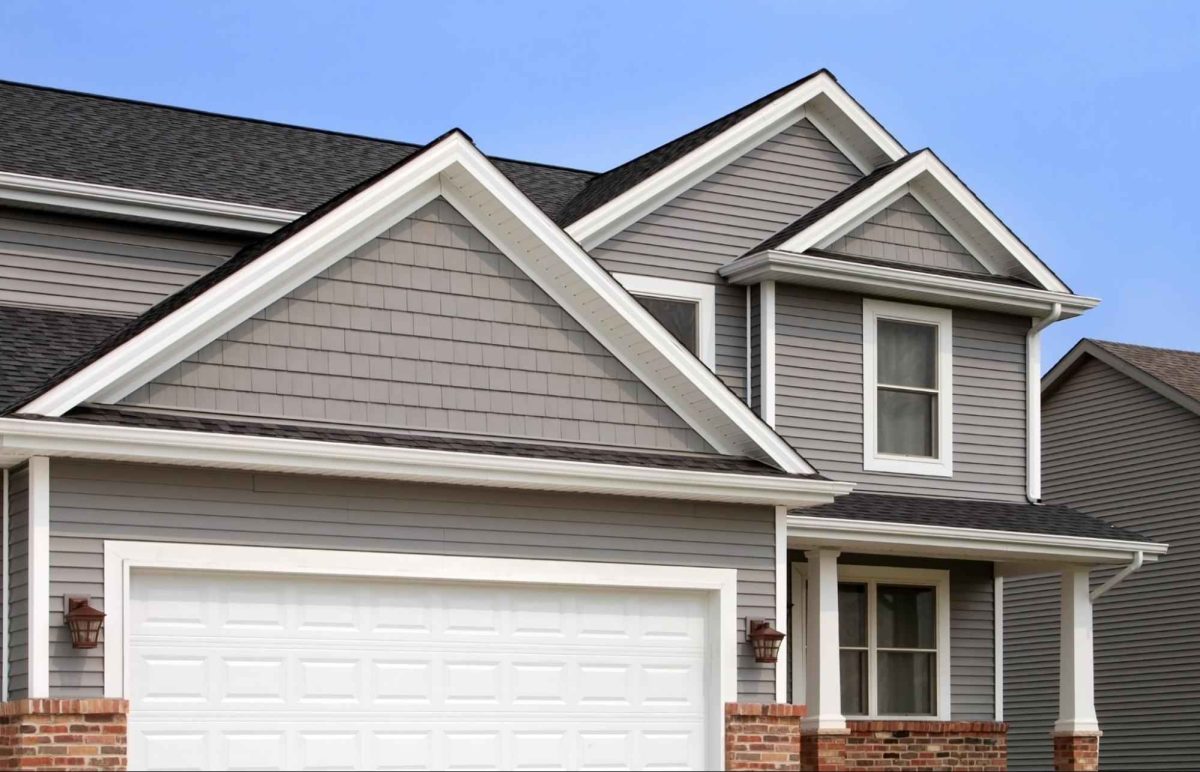
The use of fiber cement siding in areas prone to hurricanes plays a crucial role in ensuring safety and maintaining structural integrity, especially as storm intensity increases. With the growing risks associated with climate fluctuations, it is vital to verify that building materials can withstand significant wind speeds. The certification of fiber cement siding goes beyond mere compliance; it is an integral element of construction standards aimed at enhancing durability against extreme weather. This necessity stems from the realization that building exteriors must endure not only heavy rain but also intense winds that can surpass 110 miles per hour in regions most susceptible to hurricanes.
Wind Speed Thresholds and Testing Requirements
Fiber cement siding must satisfy stringent wind speed requirements established by local building regulations based on historical storm activity data. In areas identified as high-velocity hurricane zones, building materials undergo meticulous evaluation to confirm their capacity to withstand the fierce winds typical of hurricanes. One essential standard for examining these materials is ASTM E330, which assesses the structural performance of construction elements, including siding, when exposed to consistent static air pressure differentials.
The ASTM E330 procedure entails exposing the materials to simulated conditions that reflect the forces encountered during storms, facilitating the assessment of their performance under such stress. The siding undergoes testing in controlled settings where simulated storm-like wind speeds are applied. This exacting examination ensures that the materials remain intact and prevent water intrusion, which can lead to substantial damage during severe weather. By meeting these rigorous criteria, the robustness of homes in hurricane-prone regions can be considerably enhanced, offering essential safeguarding for residents.
Local Building Codes and Miami-Dade Guidelines
Beyond the ASTM E330 requirements, it is crucial for fiber cement siding to adhere to specific local building regulations. The Miami-Dade County Product Control guidelines hold particular importance, given the area’s exposure to some of the most formidable hurricane conditions in the United States. These guidelines provide a framework for testing protocols and performance metrics necessary for materials to be deemed suitable for construction in areas vulnerable to hurricanes, thereby ensuring that only the most dependable products are utilized in projects. The guidelines not only address performance under wind stress but also emphasize factors such as water resistance and material resilience during extreme weather.
The Importance of Rigorous Testing and Certification
The importance of thorough testing and the verification process cannot be disregarded; it underpins the certification of fiber cement siding in hurricane-prone areas. These testing frameworks guarantee that manufacturers produce detailed documentation for each stage of the evaluation process, carefully recording all data pertinent to wind resistance, structural deflection, and potential weaknesses. This level of transparency empowers builders, architects, and consumers to make educated choices regarding their selected materials for construction.
As climate conditions shift, the need for rigorous standards and testing remains vital. Manufacturers of fiber cement siding must adhere to the highest certification standards to ensure that homes and professionals have confidence in these materials’ safety and effectiveness during severe weather. Moreover, as the landscape of the industry shifts, ongoing enhancements in testing techniques and compliance with updated building codes are instrumental in supporting preparedness for disasters and the long-term viability of structures in hurricane-affected regions.
Quality Fiber Cement Siding for Hurricane Resistance
Investing in high-quality fiber cement siding is essential for homeowners in hurricane-prone areas. With its durability and resilience, this material meets stringent testing methodologies necessary for certification in extreme conditions. As climate risks escalate, choosing reliable siding solutions becomes critical for safeguarding properties. Professionals emphasize the value of using premium products that not only adhere to stringent standards but also offer longevity and performance assurance. To explore top-tier fiber cement siding installation, consider the services offered by Branova Siding, a trusted contractor renowned for their expertise in James Hardie products and a commitment to customer satisfaction.


