


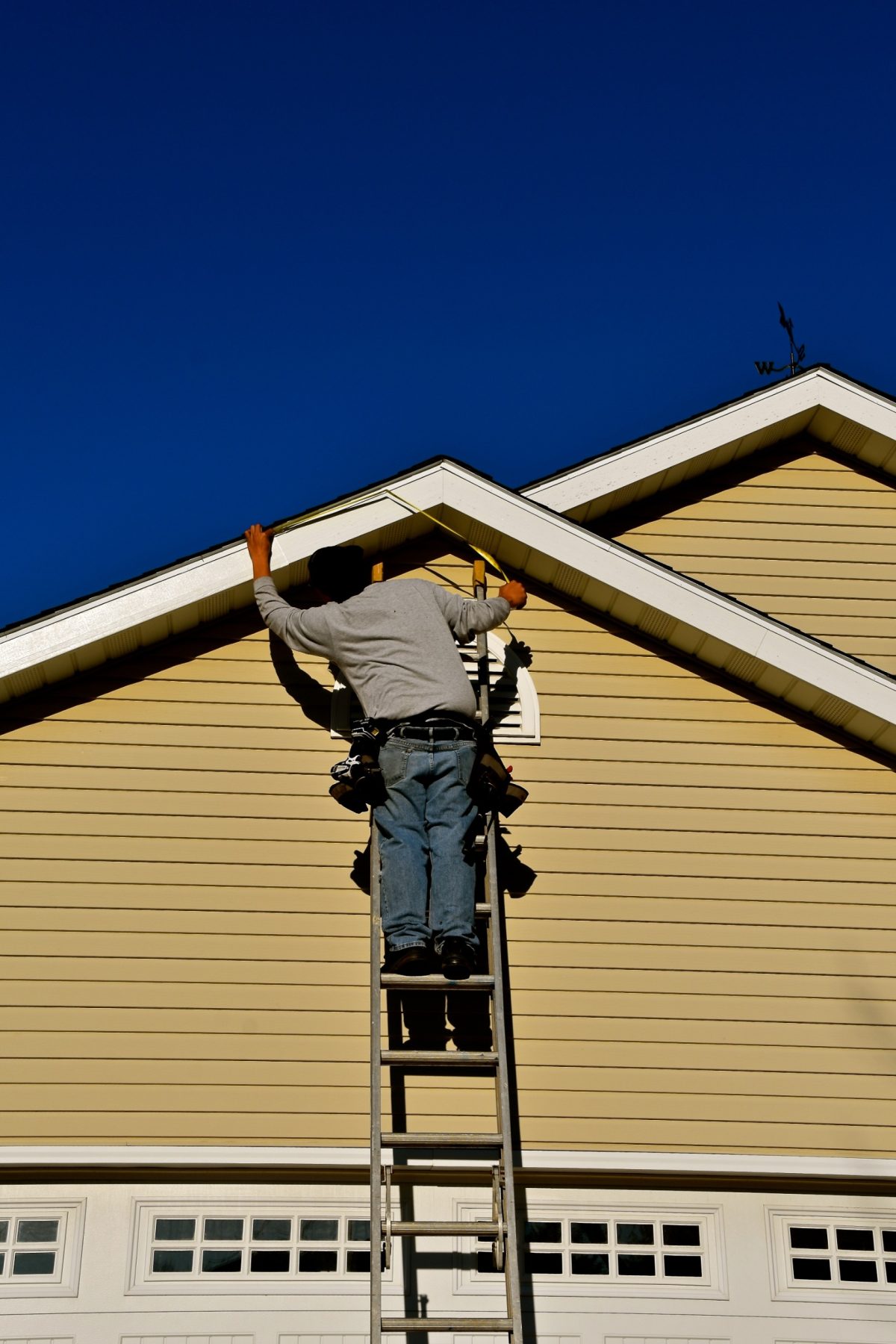
The strength of a roof is essential for the safety and longevity of any building. Missing shingles expose the underlying materials to various weather elements, which can trigger a rapid sequence of events leading to serious structural damage. Research shows that wood, commonly used in roofing systems, begins to deteriorate from moisture within just 24 to 48 hours of exposure. This timeframe carries significant weight for homeowners and builders, as early interventions can prevent severe and costly issues. Factors that influence the onset of damage include environmental conditions like humidity and temperature, along with the materials utilized in the roofing structure.
Grasping the relationship between wood and moisture is crucial to understanding the potential risks involved. Wood naturally absorbs moisture from its surroundings. When shingles are displaced, water can infiltrate, leading to a noticeable increase in moisture levels. A crucial threshold exists: fungal decay usually starts once moisture content surpasses 20%. It is important to recognize that extensive deterioration can begin almost as soon as moisture levels exceed the fiber saturation point, typically around 30% or higher. This convergence of moisture and wood condition becomes critical in evaluating the risk of structural damage following the loss of roof shingles.
Fungal Growth and Decay
Fungal decay organisms significantly contribute to the decaying process of wood once exposed to moisture. Among these, brown-rot fungi are especially efficient in degrading wood structures, even at lower moisture levels. Studies demonstrate that these fungi thrive in environments where moisture levels remain below saturation, highlighting their aggressive behavior in colonizing and breaking down wood. The repercussions are considerable; as these fungi invade the wood, they compromise its structural integrity, which can lead to potential failures, not only within the roofing system but throughout the entire building.
Classifying decay fungi into groups, such as brown-rot and white-rot, unveils the complexity of their interactions with wood. For instance, brown-rot fungi employ a specialized two-step oxidative-enzymatic process to decompose wood components like hemicellulose and cellulose, ultimately resulting in a weakened lignin-rich substrate. This compromised wood structure becomes particularly susceptible, especially as failure mechanisms evolve over time with persistently high moisture exposure. Thus, an inspection of the roof promptly after any shingle loss is essential, especially in humid regions that encourage rapid fungal growth and decomposition.
Impact of Environmental Conditions
The environmental implications following the loss of shingles are significant. Factors such as sudden rainfall, standing water, and elevated humidity levels can quickly enhance moisture absorption and subsequent decay. For example, a surprise rainstorm can inundate exposed wooden components that have already started absorbing moisture due to prior exposure. This compounding effect intensifies the damage and makes repairs increasingly urgent. Additionally, the architectural design and slope of the roof affect its water drainage capabilities, further complicating moisture dynamics within the roofing system.
In areas with substantial rainfall, like the Pacific Northwest, analyzing moisture levels immediately after shingle loss is vital. Prolonged wet conditions can foster environments conducive to fungal growth, leading to premature wood deterioration. Moreover, localized weather phenomena, such as intense storms that follow extended dry periods, can create fluctuations in moisture levels, causing wood to absorb significant volumes of water rapidly. This accentuates the necessity for swift responses and proactive strategies to protect the structural integrity of the roof and the building as a whole.
Timely Repairs to Prevent Damage
The importance of prompt repairs in the event of missing roof shingles is a critical theme for maintaining the overall integrity of any structure. The absence of shingles is not merely a superficial issue; it poses a structural risk that can lead to expensive repairs if neglected. Research indicates that prolonged exposure of wood to moisture raises the threat of decay and damage, often culminating in irreversible structural failures. Addressing repairs quickly can help limit the extensive harm that results from moisture infiltration and fungal breakdown.
For homeowners and builders alike, awareness of these time-sensitive factors underscores the necessity for effective maintenance practices and timely interventions following any damage. Conducting regular inspections, especially after severe weather events, can promote early detection of shingle loss. Beyond ensuring shingles remain securely in place, utilizing high-quality materials designed to enhance water resistance can offer an additional shield against moisture intrusion and fungal growth. Ultimately, the actions taken can greatly influence not only the lifespan of the roof but also the overall safety and value of the building.
Protect Your Home with Expert Roofing Services
To prevent the serious structural damage that can occur after losing shingles, timely intervention is key. Homeowners facing the unfortunate loss of roofing materials should prioritize prompt assessments and repairs. Engaging professionals who specialize in these services can significantly mitigate potential issues. Roofing services provided by experienced contractors can safeguard against extensive deterioration and ensure the safety and longevity of your home. Don’t ignore missing shingles; it’s crucial to take action before minor issues escalate into major repairs.


