


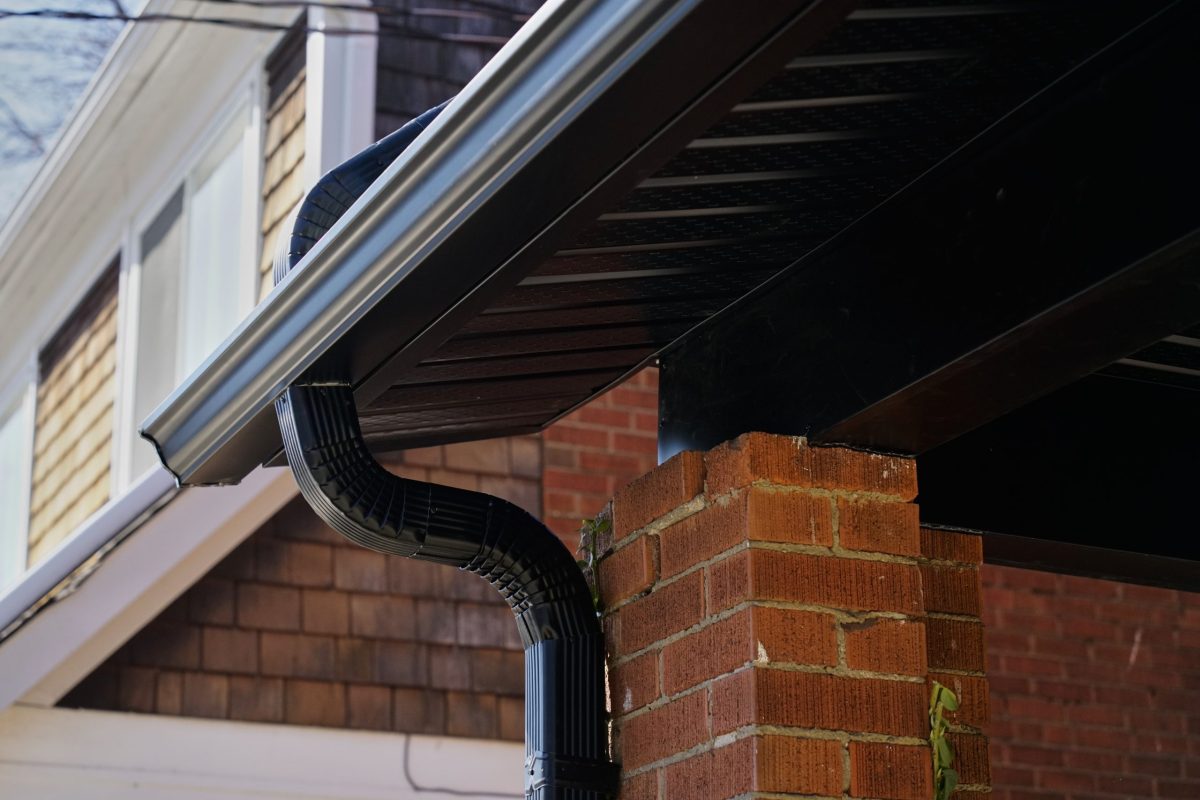
Gutter guard systems serve a vital function in safeguarding drainage systems from the accumulation of debris while promoting effective water flow. These systems are commonly engineered with mesh filters that obstruct larger particles such as leaves and twigs from infiltrating the gutters, which could result in blockages and overflow. The efficiency of gutter guards is heavily influenced by two critical factors: the size of the mesh and the materials used. An examination of numerous studies indicates a significant variation in the ideal mesh size based on distinct regional debris characteristics and desired flow rates.
Investigations show that mesh sizes around 0.5 mm to 1.0 mm are typically successful in capturing leaves and larger debris while simultaneously allowing for sufficient water flow through the arrangement. A noteworthy article in the journal Environmental Science & Technology underscores that although smaller mesh sizes excel at filtering out debris, they may unintentionally result in decreased flow rates and potential clogging issues. This generates a vital consideration in the design of gutter guards: striking a balance between effectively filtering debris and maintaining drainage efficiency.
Thus, aligning the choice of mesh size with the specific environmental conditions surrounding the drainage system is crucial. For example, in areas abundant with trees, a finer mesh may be beneficial to avert larger build-ups of organic matter, whereas areas with less leaf litter might be better served by wider mesh sizes that enhance water flow without hindrance.
Material Composition
The selection of materials utilized in gutter guard systems is equally significant for optimal performance. Two popular materials frequently recommended are stainless steel and high-density polyethylene (HDPE). Stainless steel is preferred due to its resilience and corrosion resistance, significantly contributing to the consistency of gutter guards over time. Research outlined on ScienceDirect emphasizes that stainless steel’s robustness across varying environmental conditions makes it particularly suited for long-term applications. This material exhibits exceptional durability, maintaining its integrity through fluctuating weather patterns.
Conversely, high-density polyethylene offers an attractive alternative thanks to its lightweight characteristics and affordability. While HDPE may not match the durability of stainless steel, its ease of installation and cost-effectiveness make it a favorable option for homeowners with budget constraints. The potential costs of regular maintenance and replacements can be an important consideration, sparking a dialogue between initial costs and the lifespan of the system. A thorough assessment of these material properties is essential in determining the most suitable gutter guard, especially considering the distinct environmental factors that might affect individual choices.
Geographic Considerations
In the quest for the best gutter guard systems, geographic considerations heavily influence outcomes. Local environmental elements, such as rainfall patterns and the types of surrounding vegetation, play a critical role in determining the most effective mesh sizes and materials. Regions characterized by dense foliage may face distinct challenges, given that high volumes of organic debris necessitate diligent filtration. In contrast, locales with sparse debris and irregular rainfall may prioritize flow efficiency over filtering capabilities. Insights from a study featured in the journal Rainwater Harvesting reveal how local weather patterns directly affect filtration requirements and maintenance needs.
Furthermore, regions with abundant trees can necessitate gutter guards equipped to manage significant debris volumes while still providing adequate water flow rates. However, this may increase the demand for ongoing maintenance, particularly with smaller mesh sizes. Alternatively, in arid zones, gutter guards can be constructed to enhance drainage efficiency by utilizing broader mesh openings, thereby reducing clogging problems. Equipped with a solid understanding of geographic influences, design selections can be made to better suit specific requirements, leading to better gutter performance and reduced maintenance efforts.
Maintenance Considerations
Besides carefully selecting mesh sizes and materials, the aspect of maintenance is essential for the effective management of gutter guard systems. Routine inspections and cleaning are key measures in preventing potential blockages that could disrupt water flow and lead to overflow incidents. Local rainfall frequency is a determining factor in how often these systems should be monitored. In regions experiencing heavy precipitation, more regular assessments are advisable to keep gutter guards unobstructed by debris buildup.
In addition, advancements in technology have introduced innovative materials, such as self-cleaning surfaces, which significantly reduce clogging issues while optimizing filtration efficacy. Research highlights that these innovations in gutter guard design can meaningfully enhance their overall functionality, providing real solutions to challenges tied to environmental conditions. Proper upkeep of gutter guard systems not only extends their operational lifespan but also enriches their efficiency, ensuring effective drainage and safeguarding against potential water damage.
High-Quality Eavestrough Solutions for Efficient Drainage
For optimal drainage efficiency and debris protection, the choice of eavestrough installation and gutter guard systems is crucial. It is essential to select products crafted from high-quality materials, ensuring durability and resistance against corrosion. Homeowners can trust Branova Siding, a team with over 20 years of experience in the Greater Toronto Area, to provide reliable solutions tailored for their specific needs. Their seamless eavestrough systems are custom-designed for perfect fitment, facilitating maximum water flow while effectively filtering out debris. Experience exceptional service and expertise that protects properties from water damage by exploring their comprehensive eavestrough services.


