


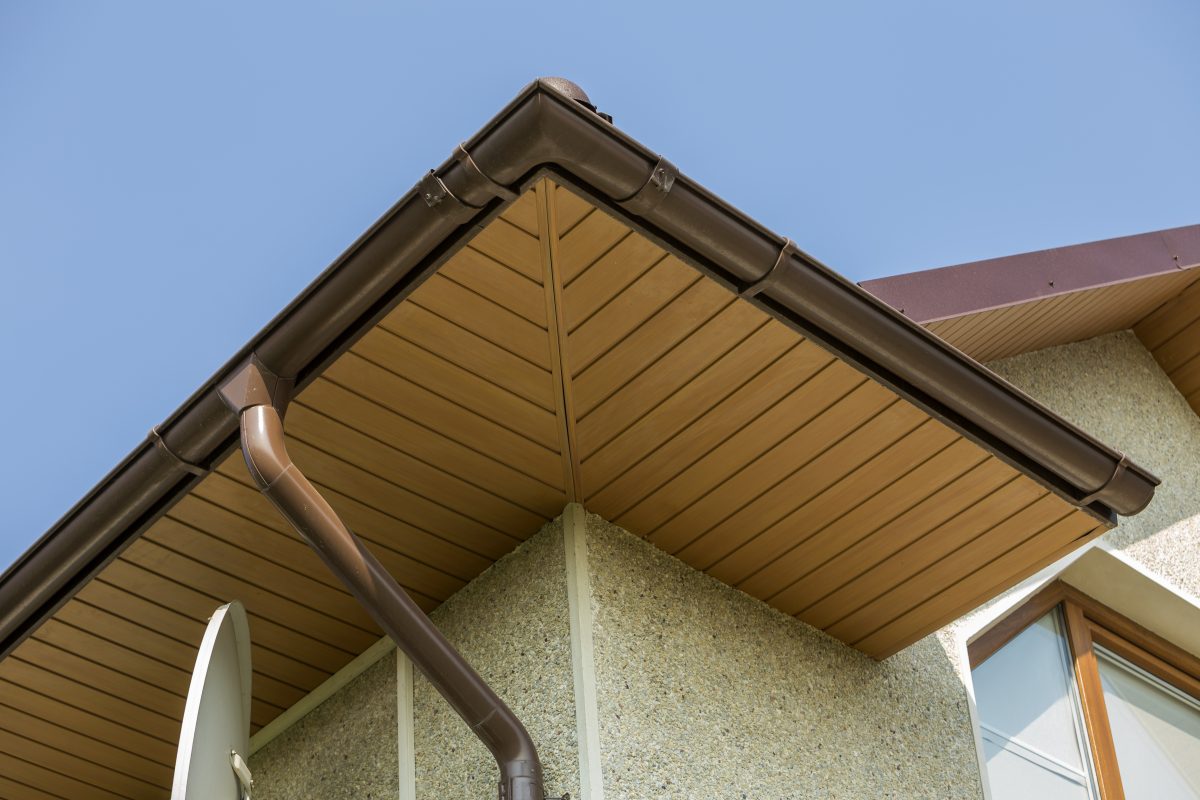
The longevity and performance of aluminum soffit systems are significantly shaped by the fastening methods employed during installation, especially when these systems interact with different exterior cladding materials. The choice of fastening methods directly influences how well these components adhere to the structure and their response over time to various environmental stressors. Research shows that the geometry of fasteners plays a key role in enhancing their effectiveness. For example, a study in the MDPI Buildings Journal notes that inventive designs in fasteners can improve their load distribution capabilities, leading to stronger pull-out forces. Such optimization is critical for maintaining the structural integrity of cladding systems, especially in areas prone to intense weather conditions.
Mechanical Versus Adhesive Fastening
The decision between mechanical fasteners and adhesive systems greatly impacts the functionality of aluminum soffit systems. Mechanical fasteners provide notable benefits regarding maintenance and adjustability. While adhesive systems may be easier to install, they can result in difficulties if the materials settle or react to their environment over time. An examination published in the Journal of Building Engineering highlighted that mechanical fastening systems allow for enhanced maintainability, facilitating adjustments after installation. This adaptability is essential since buildings face various environmental stresses that may necessitate occasional remediation to sustain both performance and visual appeal.
Moreover, exposure to moisture represents a significant risk for both aluminum soffit and cladding systems. The choice of fastening systems under moisture conditions can crucially affect their durability over the long term. Fasteners need to be selected based on their resistance to corrosion, particularly where aluminum may face galvanic corrosion due to contact with dissimilar metals. Research indicates that using compatible materials for fasteners not only enhances the durability of the system but also reduces maintenance demands. Thus, a comprehensive understanding of material compatibility alongside fastening methods is vital in preventing future structural failures and preserving aesthetic integrity.
Thermal Expansion and Material Interaction
The interaction between the thermal expansion rates of aluminum soffit and other cladding materials significantly influences the longevity and performance of these systems. Variations in expansion and contraction between different materials raise the potential for detachment or failure if the employed fastening systems do not account for these differences. Research emphasizes that integrating aluminum soffit with various cladding materials necessitates a systematic approach that considers how materials react to temperature and moisture changes. It is essential to employ fasteners that enable proper alignment and spacing to ensure even load distribution across the cladding system.
Neglecting these details can compromise the structure, resulting in a cladding system that fails to perform correctly. The Building and Environment Journal reported that specific fastening techniques can effectively manage discrepancies in thermal behavior by creating a more adaptable connection between materials. Systems designed to cater to variations in thermal expansion contribute not only to short-term performance but also significantly enhance the lifespan of installations.
Advancements in Fastening Technology
Innovations in fastening technology and materials science indicate that implementing optimized fastening systems can yield significant enhancements in both longevity and performance of aluminum soffit applications. Through advanced designs and manufacturing methods, contemporary fasteners can be crafted to withstand the numerous stresses encountered throughout the lifespan of a building’s exterior. A study focusing on cladding fastener performance pointed out that geometrical enhancements in fastener design directly correlate with their resistance to failure and load-bearing abilities, thus minimizing long-term complications associated with building movement and environmental factors.
Furthermore, careful selection of fastening systems based on thorough environmental evaluations of a site can boost the operational effectiveness of aluminum soffit installations. By utilizing high-performance fasteners composed of corrosion-resistant materials and considering the specific needs of the involved materials, architects and builders can ensure that aluminum soffit systems achieve their functional aims with reduced maintenance requirements. The potential for lower costs related to repairs and replacements underscores the necessity for informed decision-making regarding fastening methods at the beginning stages of any construction project.
Enhancing Durability in Aluminum Soffit Installations
For optimal performance and durability in aluminum soffit installations, selecting the right fastening methods is crucial. Builders and architects will find that innovative fastening techniques not only extend the life of aluminum soffit systems but also enhance structural integrity when integrated with various cladding materials. By prioritizing quality installation, it is possible to minimize maintenance issues and ensure visual appeal over time. Professional exterior building services can make a significant difference in the execution of these projects. Explore soffit and fascia installation services to achieve superior results and long-lasting performance.


