


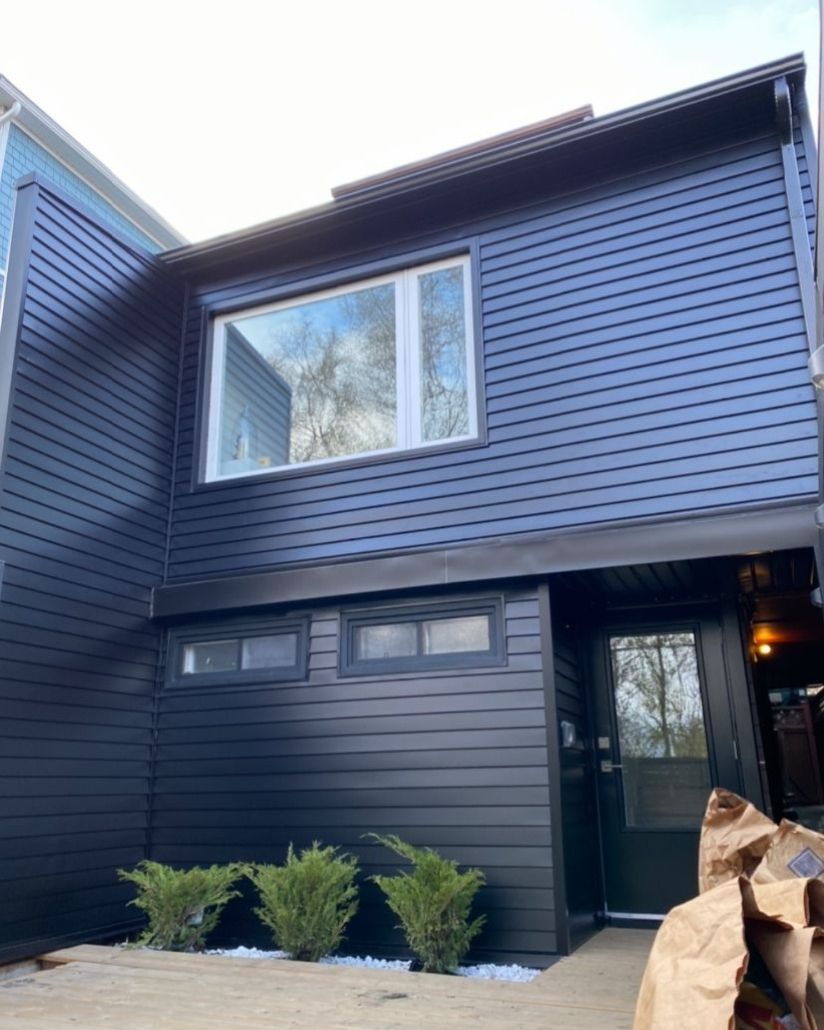
The Advantages of Vinyl Siding
Vinyl siding has gained considerable popularity among homeowners, and the reasons are clear. Technological advancements in material development have significantly improved the performance characteristics of vinyl siding, allowing it to compete effectively with traditional siding materials like wood and metal. A key factor driving this shift is vinyl siding’s remarkable resistance to issues such as rot, rust, and insect infestation, which have historically affected traditional options. Composed mainly of polyvinyl chloride (PVC), vinyl siding is engineered to endure various environmental challenges, making it a robust choice for home exteriors.
The chemical composition of PVC enhances vinyl siding’s moisture resistance. Unlike wood, which can absorb moisture leading to rot and decay, vinyl siding effectively repels water, thus minimizing the risk of substantial structural damage. Although wood siding is often appreciated for its aesthetic qualities, it can become susceptible to insect infestations if not properly cared for. In contrast, the non-porous surface of vinyl siding helps to eliminate the potential for insect problems, providing homeowners with assurance regarding the protection of their investment.
Additionally, contemporary vinyl siding is frequently produced with extra features, such as insect-repellent additives and improved sealing methods, that further strengthen its defenses against pests. This level of protection is especially vital for homeowners aiming to reduce maintenance efforts while enhancing the lifespan of their siding materials. Various sources indicate that the development of vinyl siding positions it as a superior option addressing practical concerns surrounding durability and maintenance, making it increasingly attractive in the current market.
Durability and Maintenance
The durability of vinyl siding stands out as one of its most significant benefits compared to traditional materials. Vinyl siding is naturally resistant to rust, a common issue with metal siding, especially aluminum. While aluminum siding does not rust, it is susceptible to denting and generally requires repainting over time, which can lead to higher maintenance expenses. In contrast, vinyl siding retains its color and finish for years with minimal care, needing only occasional washing to keep it clean from dirt and grime.
Moreover, the versatility of vinyl siding’s design enables homeowners to select from a broad range of colors, styles, and textures. This aesthetic flexibility does not compromise its functionality, as modern vinyl siding is crafted to withstand harsh weather conditions without warping, buckling, or corroding. Many homeowners appreciate that installing vinyl siding can enhance their home’s curb appeal while also providing a protective barrier against environmental elements.
Homeowners also tend to be attracted to the low maintenance needs of vinyl siding. Unlike wood siding, which requires regular treatments to maintain its integrity and appearance, vinyl siding is virtually maintenance-free. This allows homeowners to enjoy an attractive exterior without the burden of frequent upkeep, enabling them to concentrate on other aspects of homeownership. The reduced maintenance demands of vinyl siding not only save time but also lead to lower long-term costs, making it an economically wise choice in the long run.
Energy Efficiency
Energy efficiency represents another area where modern vinyl siding shines, particularly with insulated vinyl siding options available in the market. This type of siding is designed to enhance thermal performance by adding an extra layer of insulation, which helps maintain comfortable indoor temperatures. This additional insulation alleviates the strain on heating and cooling systems, potentially leading to energy savings for homeowners.
Traditional siding materials may lack the same level of insulation, resulting in higher energy bills and less comfortable living environments. By opting for insulated vinyl siding, homeowners can benefit from a more stable indoor climate, especially during extreme weather conditions. Experts in the field suggest that the energy efficiency provided by insulated vinyl siding can lead to considerable savings over time, making it an attractive option for environmentally conscious homeowners aiming to lower their energy usage.
Furthermore, advancements in vinyl siding technology have also resulted in design improvements, creating products that not only function effectively but also look appealing. Homeowners can choose from a variety of styles and colors that complement their home’s architecture, ensuring that aesthetics remain a priority alongside functionality. This blend of energy efficiency and visual appeal positions modern vinyl siding as an outstanding choice for homeowners aiming to enhance their property’s exterior.
Long-term Investment
Investing in modern vinyl siding can be viewed as a long-term strategy for homeowners wishing to protect and enhance their property’s value. The durability and minimal maintenance of vinyl siding lead to reduced overall costs over time, making it a financially sound selection for many. Its resistance to common issues like rot, rust, and insect damage helps safeguard the home from potential structural problems that might arise from neglecting siding maintenance with traditional materials.
Additionally, the aesthetic appeal of vinyl siding can increase a home’s market value. Prospective buyers often value the contemporary look and low upkeep associated with vinyl, and a well-maintained vinyl exterior can significantly enhance curb appeal. Consequently, homes with vinyl siding may attract more interest from buyers, resulting in quicker sales and potentially higher offers.
The choice of siding can significantly impact a home’s overall appearance and value. With the numerous advantages that modern vinyl siding provides, including its resilience against environmental challenges, energy efficiency, and minimal maintenance, it stands out as a superior option for homeowners. As the construction industry continues to innovate, vinyl siding remains at the forefront of materials that enhance both the beauty and functionality of residential properties.
Exploring the Benefits of Modern Vinyl Siding
Modern vinyl siding represents a significant advancement in home exterior solutions, offering unmatched durability against rot, insects, and rust. The sophisticated design and materials used ensure that homeowners can enjoy both aesthetic appeal and long-lasting protection. With features such as moisture resistance and advanced sealing techniques, vinyl siding minimizes maintenance needs while enhancing the home’s energy efficiency. Discover how vinyl siding can transform a home’s exterior and provide peace of mind for years to come. Learn more about the benefits of vinyl siding.


